
Clothing stores are one of the easiest setups to get wrong. Not because the fixtures are complicated, but because people either overfill the space or pick fixtures that look good but don’t function well once the store is busy.
If you’ve ever had staff constantly fixing displays, rehanging clothes, or struggling to keep things organized, it usually comes down to the fixture mix.
Start With the Right Garment Racks
Racks do most of the heavy lifting in a clothing store. Straight racks, round racks, wall-mounted systems — they all have their place.
What matters is spacing. If racks are too close together, customers won’t browse comfortably. Too far apart, and you waste floor space. You want enough room for movement without making the store feel empty.
Also, don’t overload racks. Packed rails make everything look cheaper, no matter what you’re selling.
Tables for Folding and Feature Displays
Not everything should hang. Tables are useful for folded items like denim, knitwear, or basics. They also work for featured collections or front-of-store displays.
Keep tables clean. Once they turn into dumping zones, customers stop engaging. Staff should be able to reset a table in under a minute — if it takes longer, the setup is too complicated.
Wall Fixtures for Structure
Walls help define the store layout. Slatwalls, shelving, or hanging systems can hold key sizes, colors, or overflow stock.
But here’s where people go wrong — they try to use walls for everything. That just creates visual overload. Use wall space to support the floor layout, not replace it.
A clean wall with clear sections is always better than a packed one.
Where Mannequins Fit In
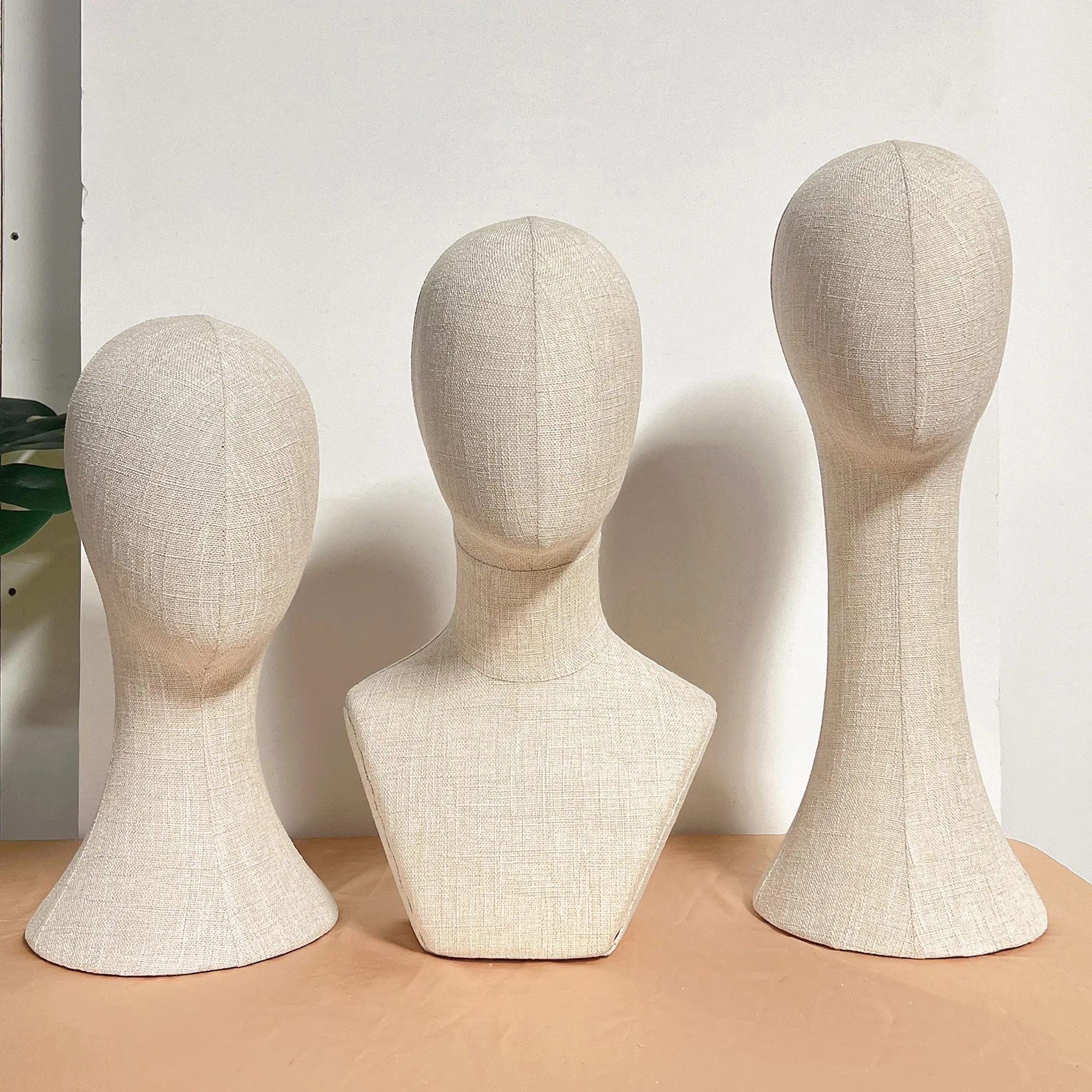
Mannequins aren’t just for window displays. They’re one of the few fixtures that actually show customers how to wear the product.
A poseable mannequin is useful because you can adjust it to match the look you’re going for — relaxed, formal, active. That flexibility helps when you’re changing outfits frequently or trying to highlight different styles.
Place mannequins where they’ll be seen without blocking movement. Entrances, feature zones, and near key collections usually work best.
Checkout Counter and Back Counter Space
The checkout area needs to be functional first. Enough room for folding, bagging, and handling returns. If it’s cramped, staff will feel it immediately.
Behind the counter, keep things simple:
- easy access to bags and supplies
- space for holding items temporarily
- clear surface for transactions
This is one of those areas where poor layout slows everything down.
Storage and Replenishment
Clothing stores move stock constantly. Sizes run out, items get tried on, and displays need resetting throughout the day.
If your storage isn’t organized, staff waste time looking for things instead of selling. Keep back stock easy to access and grouped logically — by size, style, or category.
The faster staff can restock, the better the floor stays looking.
Keep It Practical
A clothing store doesn’t need complicated fixtures. It needs fixtures that can handle daily use without constant adjustment.
Racks should hold weight without bending. Tables should be easy to clean and reset. Mannequins should be quick to change.
If a fixture slows your team down, it’s the wrong one — no matter how good it looks.